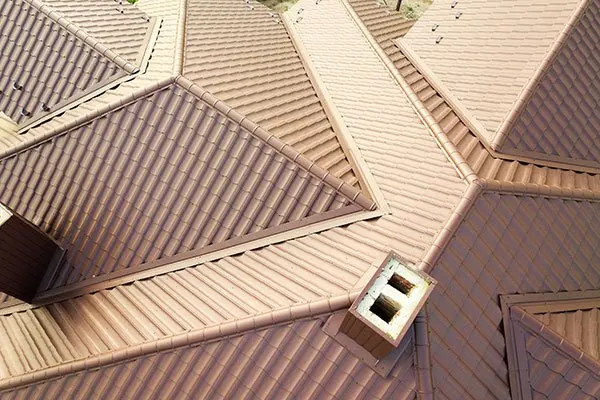
For most Adelaide homes, coated steel such as Colorbond is the best all-round match for the local climate, because it handles hot sun, strong UV, winter rain and storm wind with little maintenance. Terracotta and concrete tiles still suit many houses, especially where quiet, thermal mass or heritage character matter. The right answer for your home depends on where you are, from the coastal suburbs to the Adelaide Hills, and on how the roof is detailed and insulated.
What Adelaide's weather does to a roof
Adelaide has a Mediterranean-style climate, but that label hides some harsh conditions for roofing materials.
- Summer heat and UV. Long dry spells and heatwaves bake roof surfaces. UV breaks down paint, sealants, plastic and older pointing.
- Winter rain. Most rain falls from roughly May to September, often arriving with cold fronts and gusty wind that drives water sideways.
- Storms. Severe thunderstorms bring hail and damaging winds from time to time, testing fixings and tiles.
- Salt air. Homes near the gulf coast get salt deposits that speed corrosion of metals.
- Ground movement. Reactive clay soils across much of the Adelaide Plains swell in winter and shrink in summer, so houses move a little each year.
- Bushfire. Large parts of the Hills and some foothill areas sit within bushfire hazard overlays.
A good roof choice answers each of these for your location.
How the main materials stack up
| Climate stress | Coated steel | Concrete tiles | Terracotta tiles |
|---|---|---|---|
| Heat and UV | Colour choice affects heat; paint resists UV well | Surface coating fades and wears | Fired clay holds colour well |
| Winter rain | Long sheets, few joints | Relies on laps, sarking helps | Relies on laps, sarking helps |
| Hail | May dent, rarely leaks | Can crack | Can crack |
| Wind | Strong when fixed correctly | Heavy, but loose ridges can lift | Heavy, but loose ridges can lift |
| Salt air | Needs suitable grade and fixings | Generally tolerant | Generally tolerant |
| House movement | Flexible, tolerates small shifts | Pointing can crack | Pointing can crack |
| Bushfire | Non-combustible, needs sealing | Non-combustible, needs sarking | Non-combustible, needs sarking |
Coated steel: the practical default
Steel copes well with the conditions above. It is light, so it suits older frames. Large sheets mean fewer gaps for wind-driven winter rain. Paint systems are designed for strong sunlight. A steel roof also tolerates the slight seasonal movement of houses on reactive clay better than rigid mortar ridges.
The two things to get right are colour and grade. Paler colours stay cooler in summer; manufacturers publish solar reflectance information for each colour if you want to compare. Near the coast, ask which grade is recommended for your exposure. Our comparison of Zincalume and Colorbond explains the finish options.
Concrete tiles: common, heavy and dependable
Concrete tiles cover a huge share of Adelaide's post-war brick and brick veneer homes. They are tough and resist hail better than many people expect, though large stones can still crack them. Over time the surface coating wears off, the tiles can absorb more water and moss grows on shaded faces. Ridge capping held by bedding and pointing is the usual weak spot, especially where ground movement has flexed the house.
A concrete tile roof that is structurally sound can often be restored rather than replaced. Where tiles are brittle, the frame is sagging or leaks keep returning, replacement makes more sense. See signs you need a roof replacement for the warning signs.
Terracotta: long-lived and full of character
Fired clay tiles keep their colour in strong sun and suit villas, bungalows and character homes in the inner and eastern suburbs. They are heavy and can crack under hail or foot traffic, and like concrete they rely on ridge bedding and pointing. Where heritage controls apply, terracotta is often the expected material, so check with your council before changing it.
Corrugated iron and older roofs
Many older cottages and villas have original galvanised corrugated iron. Once it rusts through, replacement with modern coated steel in a similar profile keeps the look. Some post-war homes also have asbestos cement roofing or sheds and eaves made from it. That material should not be walked on, cut, drilled or water-blasted. SafeWork SA sets out when a licensed removalist is required, so check with them. Read how to tell if your roof is asbestos if you are not sure.
Matching material to where you live
Coastal and western suburbs
Salt matters most here. Steel works well when the grade and fixings suit the exposure; tiles are naturally tolerant of salt but still need sound flashings. Homes in the City of Holdfast Bay or along the City of Charles Sturt coast should raise this with the contractor.
The plains and northern suburbs
Heat and ground movement dominate across the City of Playford, City of Salisbury and much of the plains. Light-coloured steel with a good blanket handles both well. Tile roofs here often show cracked pointing first.
Foothills and the Adelaide Hills
Cooler, wetter winters and bushfire risk shape choices in the Adelaide Hills Council area and along the foothills. The Planning and Design Code's bushfire overlays can bring AS 3959 construction requirements, covering items such as ember protection, sarking and sealing. Ask your contractor how they will meet any requirements, and check with your council.
Details matter as much as the material
Across Adelaide, most roof leaks and storm failures start at the details rather than in the middle of a sheet or a tile. Valleys, where two roof slopes meet, carry large volumes of water in a downpour and need to be the right size and well lapped. Flashings against walls and chimneys must be sealed and fixed so wind cannot lift them. Ridge capping on tile roofs needs flexible pointing that can tolerate a little movement. On steel, screws need the right spacing for the wind exposure of the site.
Ask each contractor to explain how they handle:
- Valleys and gutter overflow in heavy rain
- Flashings at walls, chimneys and skylights
- Ridge and hip capping, and how it is fixed
- Fixing patterns for exposed or elevated sites
- Penetrations for solar cables, vents and flues
A roof made from a good material can still fail early if these are rushed. Clear answers here are often the best way to compare quotes.
Insulation finishes the job
No covering makes a home comfortable by itself. Sarking under tiles, a blanket under steel, ceiling batts and ventilation all contribute. The National Construction Code includes energy efficiency provisions your contractor can explain. When comparing products, ask for each one's rated R-value. Our insulation guide covers the layers.
Timing, cost and next steps
Season affects comfort and scheduling; see the best time of year for roof replacement. Material, pitch, access, removal and solar reinstatement all drive the price, explained in our roof replacement cost guide. We connect homeowners with independent local roofing contractors and ask them to hold the licences and insurance the job needs; ask to see them before work starts. To discuss the right roof for your area, visit our Colorbond roofing page.