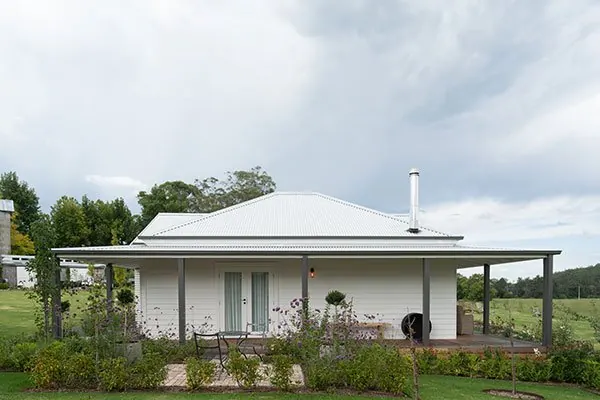
Colorbond roofing is the installation of pre-painted steel roof sheeting, either replacing an old metal roof or converting a tile roof to steel. It suits Adelaide homeowners who want a lighter roof with fewer joints, a wide colour choice and a clean modern line, and it works on everything from post-war brick homes to new extensions. We cover metropolitan Adelaide and the Adelaide Hills; the work is carried out by independent local roofing contractors, and the quote is free after an inspection.
Who chooses Colorbond
Three groups of owners tend to land here. The first have an old corrugated iron roof that is rusting and want new steel in a colour rather than plain metal. The second have a heavy concrete or terracotta roof with failing tiles and want to take weight off the frame. The third are building an addition, carport or verandah and want the new roof to match. In each case, the attraction is a durable painted steel finish that goes on quickly and sheds water cleanly.
Converting a tile roof to Colorbond
Tile-to-steel conversions are among the most common re-roofs in the city. The tiles come off and go to bins, then the battens are reset for sheet spacing, since sheet roofing spans further between supports than tiles do. Valleys, hips and ridges are re-detailed with steel capping and flashings. Most owners add a blanket at this point to keep heat and rain noise down. Because the roof is so much lighter afterwards, an older frame often benefits, though any sagging or damage should be fixed while it is exposed. The Colorbond vs tile comparison lays out the trade-offs.
Colour and heat in an Adelaide summer
Colour is not only about looks here. Long, hot summers and intense UV mean lighter shades reflect more heat, which can ease the load on the house and air conditioner, while darker shades absorb more. The street matters too, and some heritage areas, council policies or land division rules guide roof colour, so check with your council before deciding. Our post on Colorbond colour trends shows what owners have been picking, and the Zincalume vs Colorbond guide explains when an unpainted finish makes sense.
Coast, Hills and storms
Near the gulf, salt-laden air attacks steel faster, so the coating grade and matching fasteners should suit coastal exposure. In the Adelaide Hills, homes in bushfire hazard overlays may need to meet AS 3959 detailing, such as sealing gaps against embers; your contractor and council can confirm what applies. Summer storms can bring hail and strong gusts, so correct screw spacing and fixing at edges matter as much as the sheet itself.
Profiles and accessories
Corrugated is the classic choice for villas, cottages and character homes, while wider ribbed profiles give a sharper look on modern houses and allow lower pitches. Gutters, fascia covers, downpipes and capping can be matched or contrasted. Whirlybirds or roof vents can be added while the roof is open. Solar panels need to come off and go back on, ideally on new mounting rails fixed to the new sheeting.
How pricing works
A Colorbond quote reflects roof size and pitch, the profile and colour range chosen, how many hips, valleys and penetrations there are, batten changes on a tile conversion, insulation, gutters, scaffold and waste. The Adelaide cost guide walks through each item. We ask the contractors we work with to hold the licences and insurance the job needs; ask to see them and check the licence on the CBS public register. To book an inspection, call 08 7100 9699 or use the quote form.
Before the inspection, it is worth standing across the street and looking at the house with a few colour swatches in hand. Colours look lighter on a large roof than on a small sample, so many owners end up choosing a shade or two darker than their first pick.