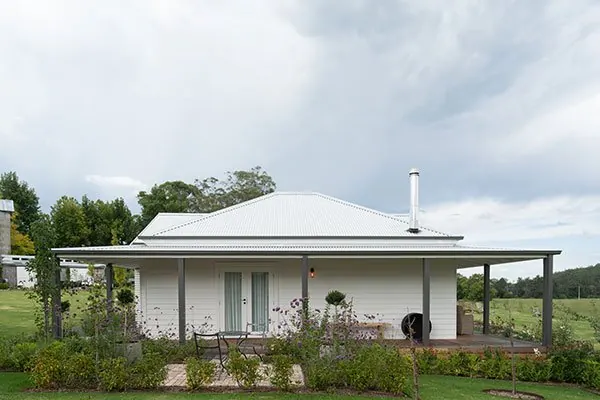
Choosing a Colorbond roof colour in Adelaide in 2026 comes down to a handful of practical questions: how hot your roof space gets in summer, what suits your house and street, whether heritage rules or estate covenants apply, and how the colour looks in real daylight. This post walks through how Adelaide homeowners are approaching that decision, with examples from the standard Colorbond range. Treat the colour names as a starting point, and check the current range on a physical sample before you sign off.
Why the old 'trend' lists do not help much
Each year brings lists of the most fashionable roof colours. They make for nice browsing, but a roof lasts a very long time and colour fashions do not. A shade picked because it was popular one season can look dated once the street has moved on. For many Adelaide owners, the real question is less about what is fashionable and more about what will still look right, keep the house comfortable and pass any council or estate rules.
So rather than ranking colours, the sections below look at the factors that actually drive a good choice.
Heat: light versus dark
Adelaide summers are hot and dry, with spells of extreme heat and strong UV. Roof colour affects how much of that heat the roof absorbs.
- Lighter colours such as Surfmist, Shale Grey, Paperbark, Evening Haze, Classic Cream and Dune reflect more sunlight. They tend to keep the roof space cooler, which can ease the load on cooling and make upstairs rooms more comfortable.
- Mid-tones such as Windspray, Basalt, Wallaby, Bluegum, Gully and Pale Eucalypt sit in the middle and are a common compromise between heat and looks.
- Dark colours such as Monument, Night Sky, Woodland Grey, Ironstone, Jasper, Deep Ocean and Cottage Green absorb more heat. They can look striking, especially on contemporary homes, but insulation and ventilation matter more under them.
Colour is only one part of thermal performance. Sarking, ceiling insulation and roof ventilation often have as much effect. A re-roof is the easiest time to upgrade them; see our guide to roof insulation during replacement. For new homes and some additions, energy-efficiency requirements can also take roof colour into account, so ask your designer or builder if that applies.
Streetscape and the style of your house
Look at your house as a whole: walls, window frames, render, brick colour, fencing and garden. A roof that ties these together usually reads better than one picked in isolation.
| House style | Colours owners often consider | Why |
|---|---|---|
| Post-war or 1970s brick | Shale Grey, Windspray, Wallaby, Jasper | Sit comfortably with red, cream and brown brick |
| Villa or bungalow | Manor Red, Cottage Green, Classic Cream, Gully | Echo traditional painted iron roofs |
| Contemporary render | Monument, Basalt, Surfmist, Night Sky | Clean contrast with light walls |
| Hills or semi-rural | Woodland Grey, Mangrove, Pale Eucalypt, Dune | Blend with bush and paddock colours |
| Coastal | Surfmist, Shale Grey, Windspray | Light and fresh near the sea |
These are pairings worth looking at, not rules. The best check is to stand across the road with a sample held up against your walls.
Heritage areas, council rules and estate covenants
Some roofs come with limits on colour. Heritage places and areas, which are common through Adelaide's older inner suburbs and in councils such as the City of Unley and the City of Burnside, may expect a particular profile or traditional colour. Development applications in South Australia go through the PlanSA portal under the Planning and Design Code. Like-for-like replacement often needs no approval, but changes in heritage settings can. Check with your council before work starts.
Newer estates, particularly in growth areas in the north and south, sometimes have encumbrances or covenants on the title that restrict roof colours. These are separate from council rules, so check your title documents too.
Coastal suburbs and the Hills
Near the gulf coast, salt air is the bigger concern than colour. The coastal and western suburbs may call for a particular grade of Colorbond steel depending on how close you are to the water, and the contractor should advise on this. Lighter colours also tend to show salt and dust marks less.
In the Adelaide Hills and other areas covered by bushfire hazard overlays, AS 3959 construction requirements can affect roof detailing such as ember guards and sealing gaps. Colour is still your choice, but the details around it may need extra attention.
Neighbours and glare
Very light roofs can reflect a lot of glare, especially on low-pitched roofs that sit below a neighbour's windows or on sloping blocks in the foothills. If your roof is visible from homes above you, it is worth considering a slightly softer light colour, such as Shale Grey or Dune, rather than the brightest option. Talk to neighbours if you think it may affect them.
Gutters, fascia and trims
Colorbond gutters, fascia, downpipes and flashings come in the same range, so you can match or contrast. A popular approach is a tonal match: roof and gutters in one colour, trims picking up the window frames. Bold contrasts can work on modern homes but tend to date faster. Ask your contractor to include a trim colour in the written quote so there is no confusion on the day.
See a real sample before you decide
Screen colours and printed brochures are not reliable. The same colour can look warmer, cooler, lighter or darker depending on the time of day, the angle of the roof and the surroundings. Ask your contractor for a physical sample, look at it outside in morning and afternoon light, and hold it against your walls and trim. The Colorbond range is updated from time to time, so confirm that the colour you like is in the current range when you order.
A simple way to narrow the choice
With so many colours available, it helps to work through the decision in order rather than starting with favourites:
- Check the rules first. Find out whether heritage controls, council policy or an estate covenant limits your options. There is no point falling for a colour you cannot use.
- Decide how much heat matters. If the house is hard to keep cool, or the roof space is poorly insulated, lean toward the lighter end.
- Shortlist three colours. Pick ones that suit the walls, windows and street, using the table above as a prompt.
- View samples outside. Compare all three in morning and late-afternoon light, from the street and from the backyard.
- Settle the trims. Choose gutter, fascia and downpipe colours at the same time so everything arrives together.
Taking a week over this is time well spent. Changing your mind after the sheets are ordered is far harder.
Thinking about Colorbond for your roof?
If you are weighing up metal against tiles, our Colorbond vs tile roof pros and cons guide covers the trade-offs, and Zincalume vs Colorbond explains the difference between coated and uncoated finishes. For what drives the cost of a new roof, see our roof replacement cost guide.
Roof Replacements Adelaide is a referral website that connects homeowners with independent local roofing contractors. Visit our Colorbond roofing page to get started.